

Mushrooms grow in Daley Bicentennial Plaza right off of Randolph street.
Mushrooms grow in Daley Bicentennial Plaza right off of Randolph street.
Constructed in 1957, Lincoln Park’s open air Chess Pavilionis both an architectural and sculptural work of art. As North Avenue Beach had been a popular summer gathering place for chess players since the 1930s, it was an obvious choice for the location of the pavilion. Architect Maurice Webster designed the modernistic structure of concrete and Indiana limestone which is comprised of two tiers of chess boards sheltered by a wing-like overhang. It has bas-relief components, incised carvings, and three dimensional sculptural elements that were created by Boris Gilbertson (1907-1982).
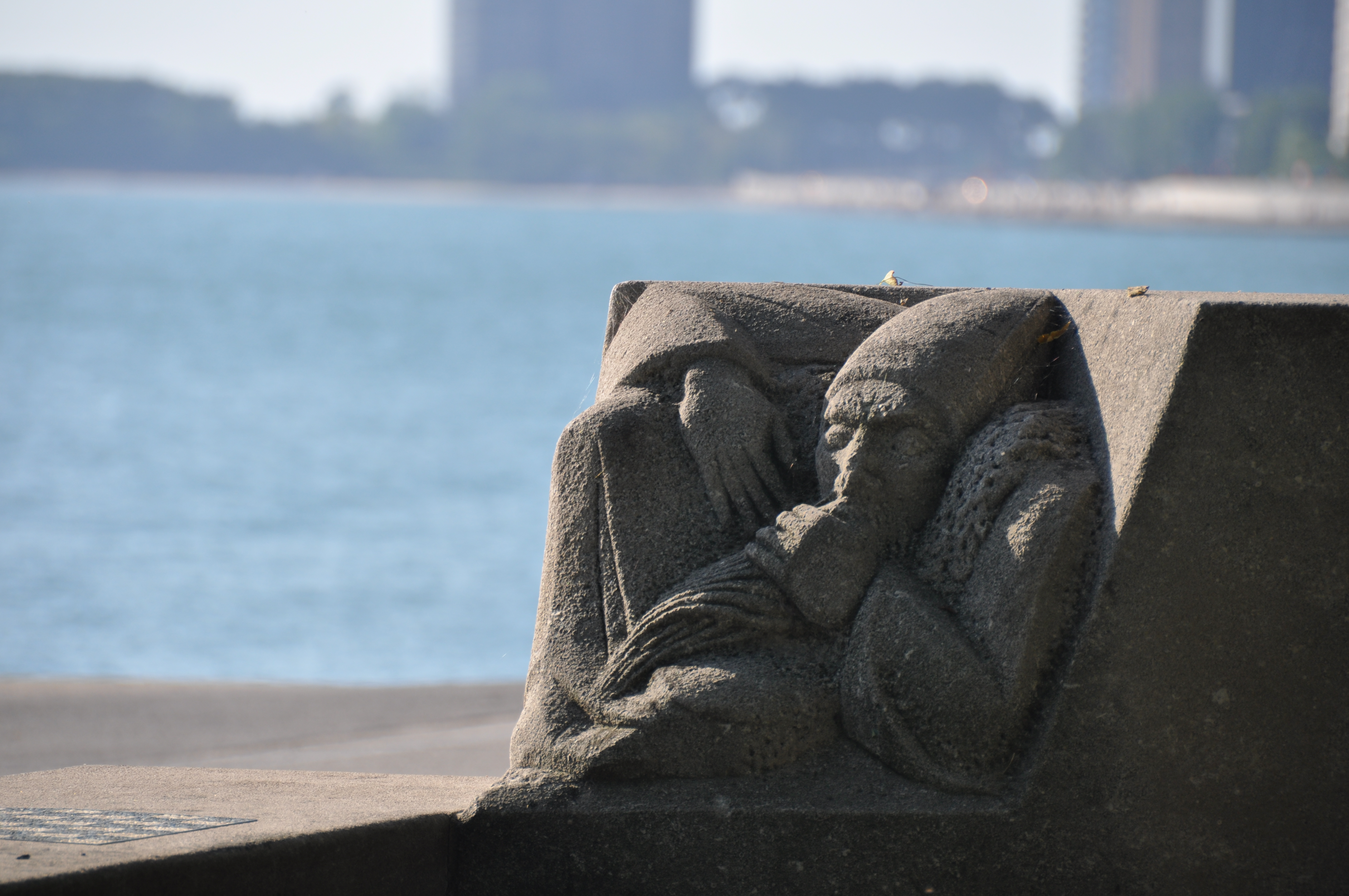
The Bishop of Chess Pavilion is carved into the low wall.
For Lincoln Park’s Chess Pavilion, Gilbertson created the original game boards, a wall of incised carvings representing all of the different pieces in chess, bas-relief carvings of the bishop and the knight, and five-foot-tall, freestanding king and queen chess pieces. In 1957, the Chess Pavilion received a Citation of Merit from the Chicago Chapter of the American Institute of Architects at its Civic Pride luncheon.

Buckingham Fountain, officially known as the ‘Clarence Buckingham Memorial Fountain’ is one of Chicago’s most popular landmarks. The fountain is located in Grant Park at the center of a formally laid out garden.
The design of the fountain is based on the ‘Bassin de Latone’ at theVersailles Palace near Paris and was built by Edward H. Bennett, who had also constructed the Michigan Avenue Bridge. The fountain rises more than 7 meters high (23ft) and consists of 3 layers of bassins surrounded by four pairs of bronze seahorses. Each sea horse symbolizes a state bordering Lake Michigan (Illinois, Indiana, Michigan and Wisconsin) while the fountain represents the lake itself. The statues were created by the French sculptor Marcel F. Loyau, who won the Prix National at the 1927 Paris Salon for it.
As the fountain jets spray and the sun rays hits the water, a rainbow appears.
A lady bug lands on a finger to pay us a visit at the beach.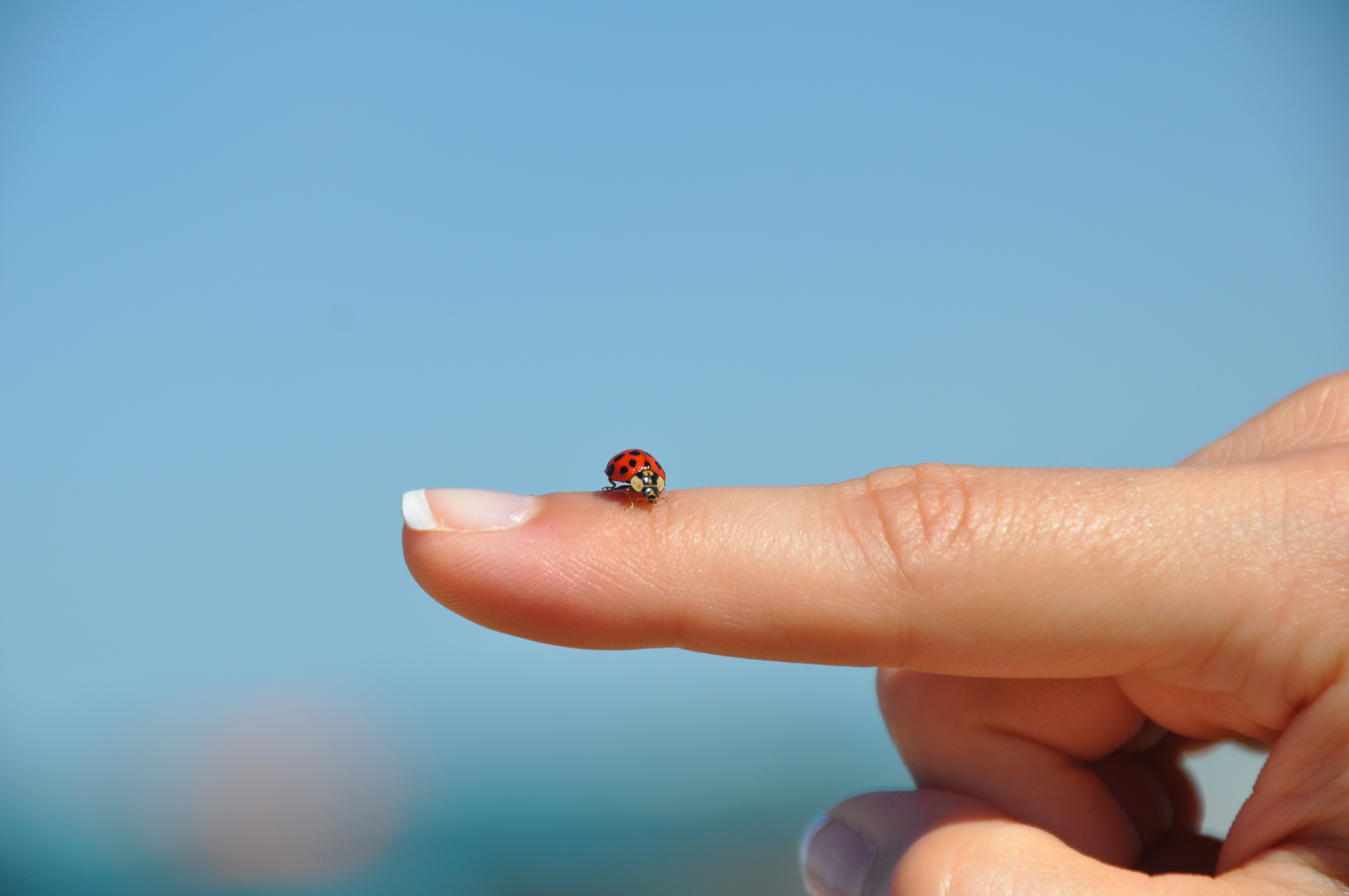
Engine Company 112’s Tower Ladder 21 responds to a 3-11 fire in Lakeview on Saturday. While the ladder is in use, four outriggers are extended to stabilize the truck.

Red tape surrounded the area around the 3-11 alarm fire on the northside in the neighborhood of Lakeview.


A firefighter from Truck 47 exits the building in his full turnout gear and SCBA (Self Contained Breathing Apparatus).
More than 100 Chicago firefighters battled an extra-alarm fire today in Lakeview that consumed two apartment buildings.
The fire that began just before 1:45 p.m and sent black smoke across the North Side. It started near a wooden stairwell behind a three-story building on the 800 block of West Cornelia Avenue. The flames soon crept up the stairwell, setting ablaze apartments from the bottom up and sending dozens of nearby residents to the street.
Click below for more information on the fire:
Sean D. Tucker flies the Oracle Challenger II biplane at the 53rd Air and Water Show.
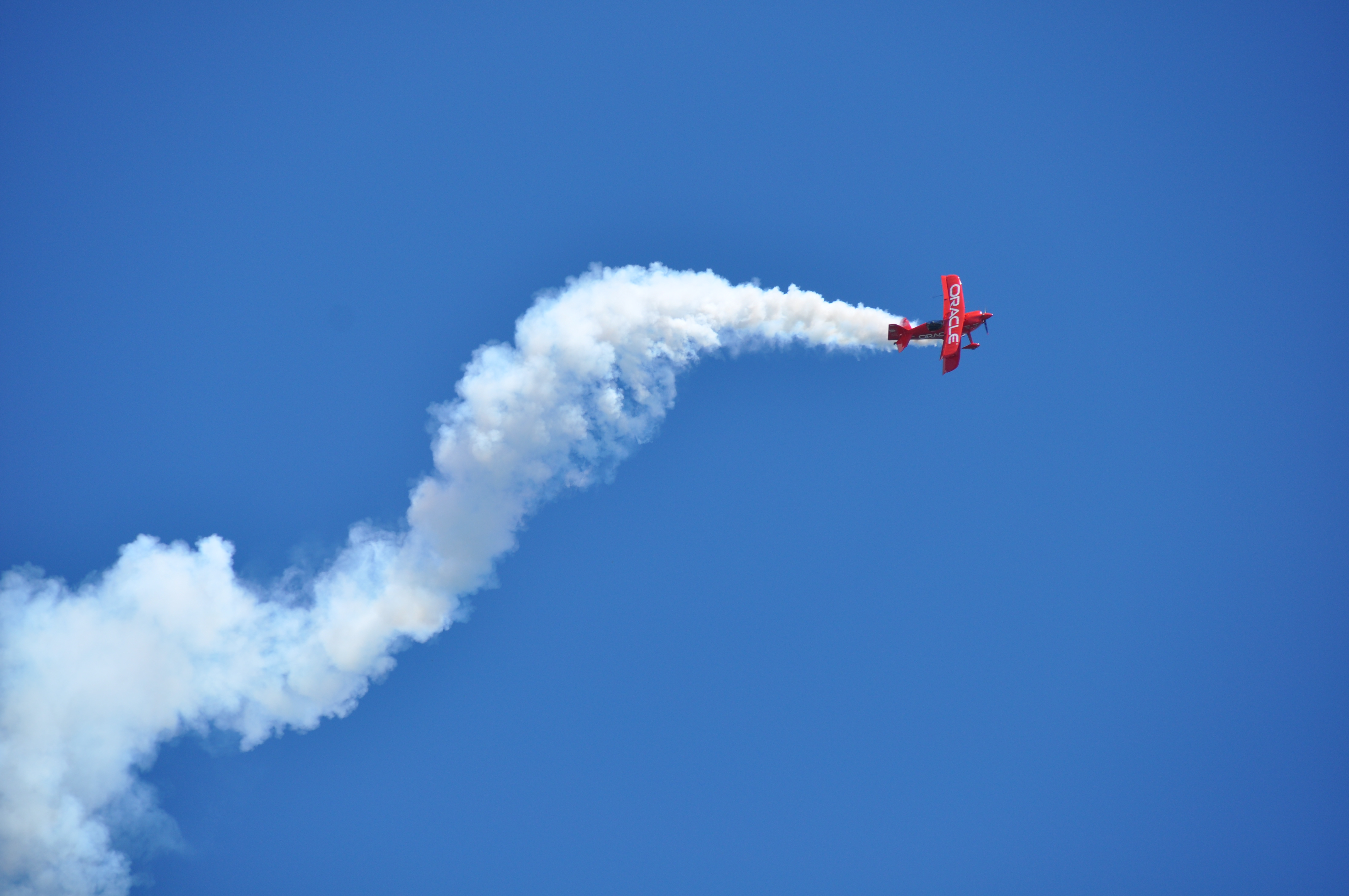
Sean’s airplane, the Oracle Challenger bi-plane, has also continued to improve each year. Sean started with a factory built Pitts Special 30 years ago and modified it each year. After reaching the limits of the Pitts, Tucker’s team designed a one of a kind airplane that could do anything that Sean asked of it. This resulted in the most high-performance aerobatic aircraft in the world, the Challenger II biplane. It is a fire-breathing monster with over 400 horsepower, weighs just over 1200 pounds and responds to the slightest pressure on the control stick even at 300 mph.
Sean is a leader in the airshow business as well as the larger aviation industry. He has received all of the airshow industry’s highest honors. Additionally, Sean has been named as one of the Living Legends in Aviation, recipient of the Crystal Eagle Award, the inductee at the 2001 USAF Gathering of Eagles and named as one of the Living Legends of Flight.

Click the logo for more information on Team Oracle.
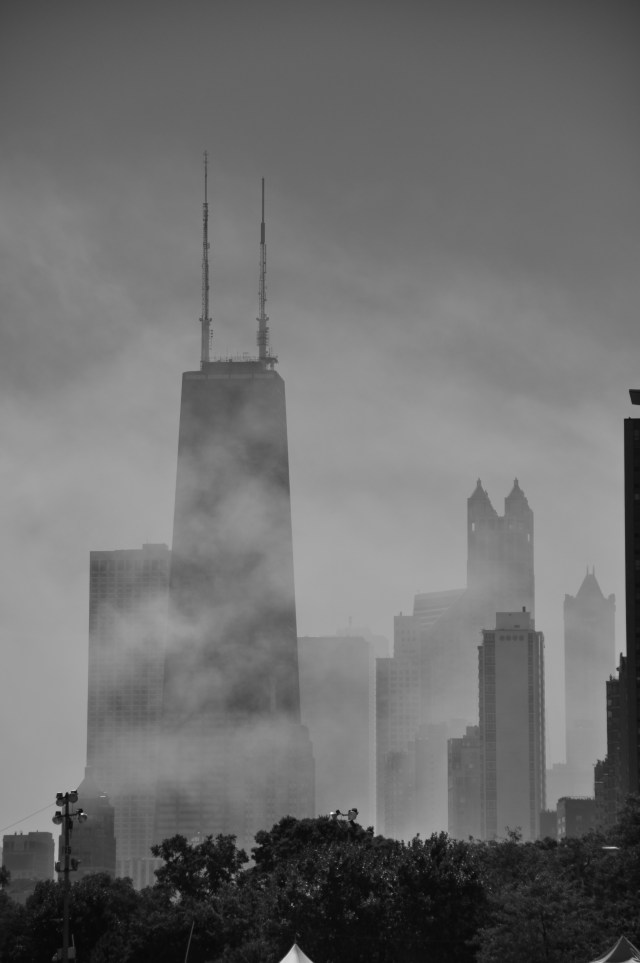
A view of the city engulfed in the smoke from the planes and jets at the Air & Water show.
The U.S. Navy Parachute Team Leap Frogs free fall towards North Avenue Beach. Jumpers reach speeds of 120 mph and can accelerate up to 180 mph by pulling their arms to their sides and straightening their legs into what is called a “track.”

The jumpers typically open their parachutes at around 5,000 feet by releasing a smaller pilot chute which deploys their main blue-and-gold canopy. These jumpers hooked together after opening their parachute and displayed the American flag as America the Beautiful played.



You might remember seeing this lightning photo from my "Day 181: Lightning Strikes" post. It was chosen to be the main screen in the Gameday Central App.

To find more great Cubs items, click here.
 Showcasing Chicago One Image at a Time
