
Here are a few photos of a wonderful and historic building in Chicago. Can you guess what building it is? Or where it is located at??
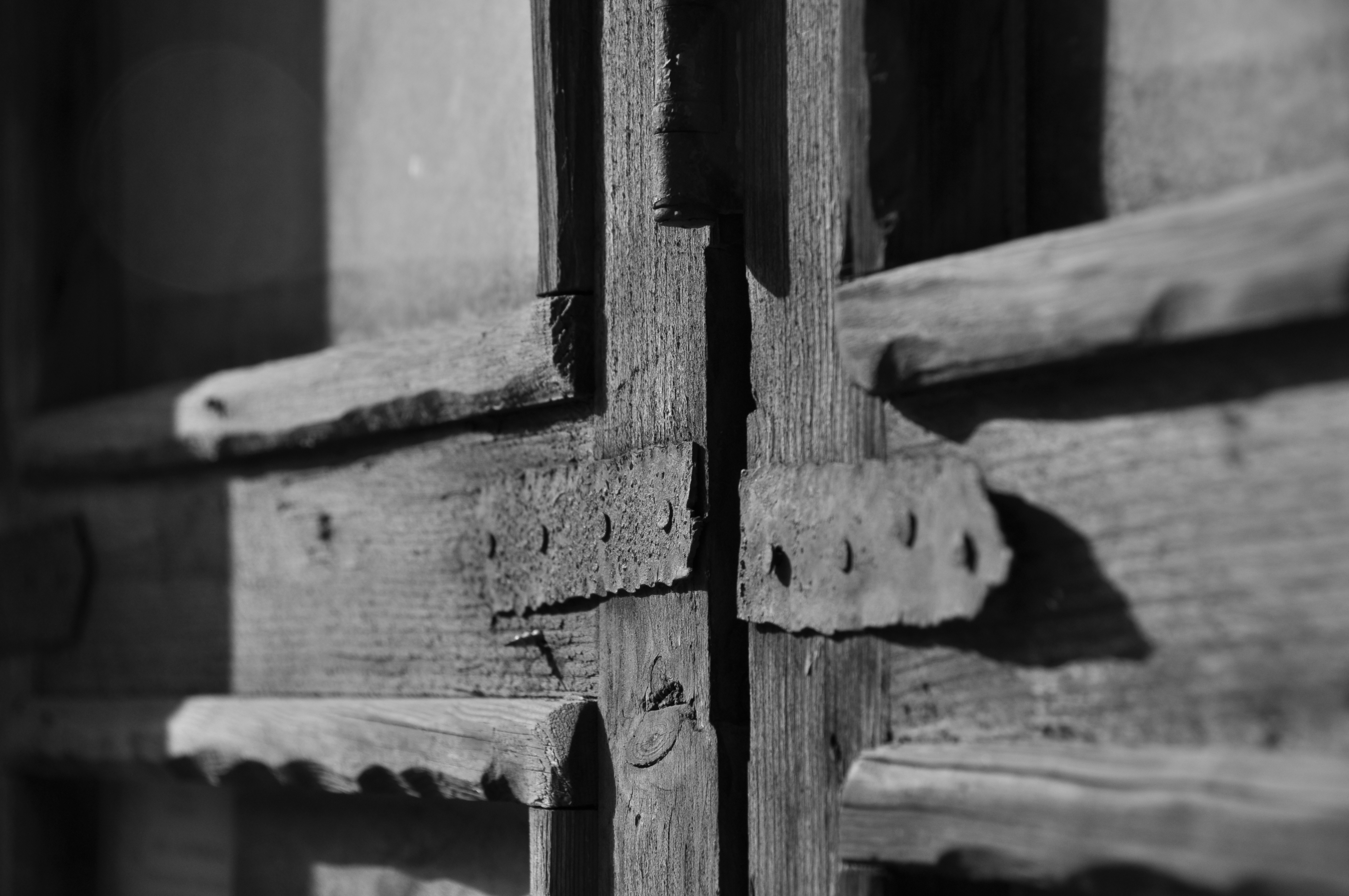

Stay tuned…answer tomorrow.
Here are a few photos of a wonderful and historic building in Chicago. Can you guess what building it is? Or where it is located at??
Stay tuned…answer tomorrow.
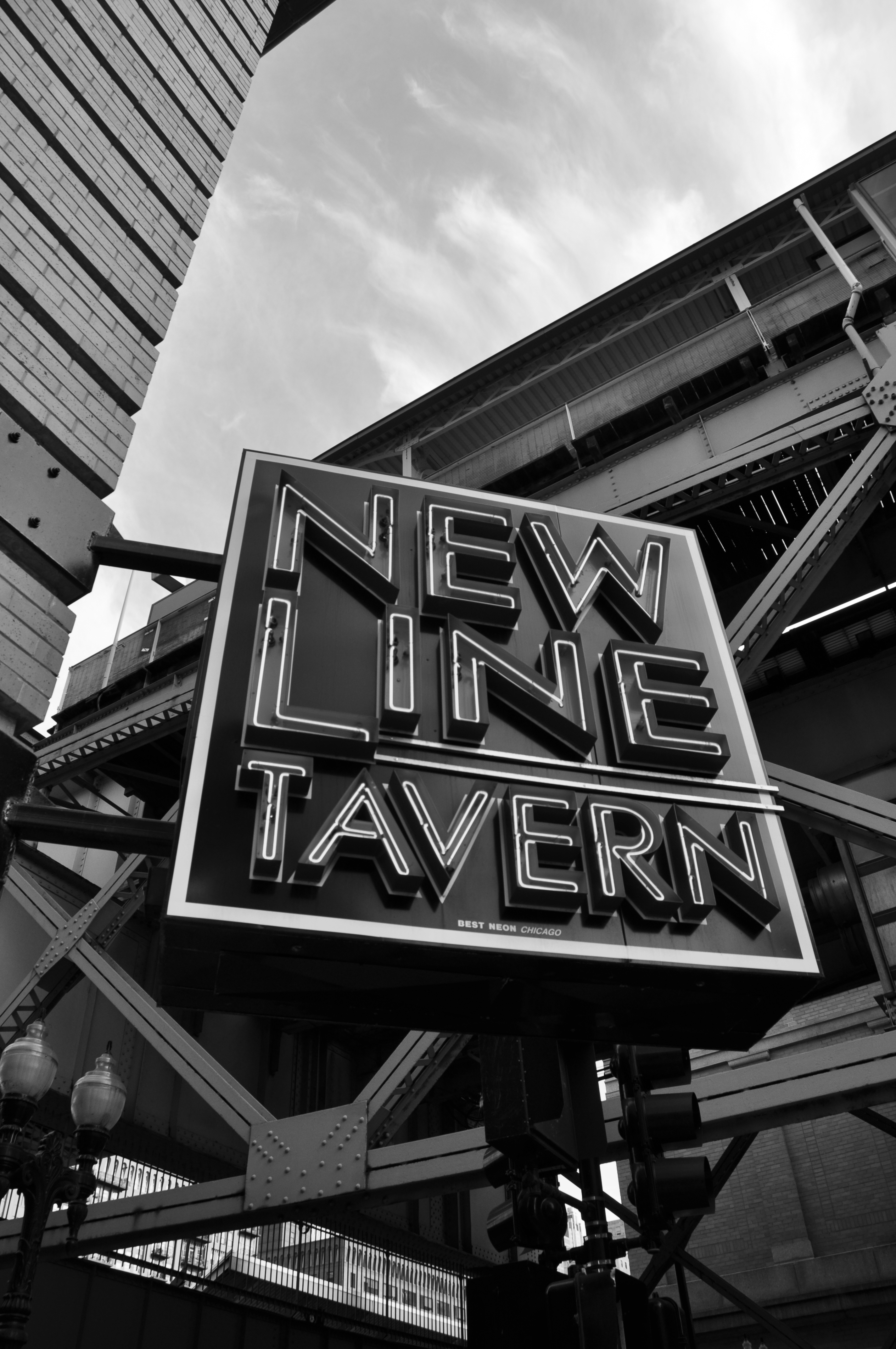 Located in the Warehouse District in the West Loop, on Clinton and Lake Street, the New Line Tavern bar is accessible from the Green and Pink lines. New Line occupies the ground floor of the Powerhouse Building which powered the Chicago & Northwestern Railway during the early 20th century. The Beaux Arts-style building is a Chicago landmark. This is a really a cool corner to photograph, I like the way the neon sign looks in black and white.
I look forward to checking it out someday. If you’d like to check this place out, click here for their website.
As I do research on the photos that I have posted to find out more on the history of the architecture and locations that are featured, I have found that many people feel that parts of Chicago that hold historic value are considered an eyesore. Is this a common thought among Chicagoans or is this just the thoughts of a few? One are in particular that people tend to comment on being an eyesore is the site of the Kinzie Street Railroad Bridge.
 As someone who loves the history of Chicago, the old architecture and retired railroads, I look beyond the obvious fact that this particular bridge is considered a rusted metal structure and see the history that it holds. Up until 2000, this railroad bridge served a major purpose in the business of the Sun Times as this railroad bridge allowed train access to the Sun Times building to deliver paper. Not only did it serve a functional purpose, but it also was a bridge that set many records when it was built–being the heaviest and longest bascule bridge in the world. To me, this railroad adds character to the neighborhood and the image of the skyline and it would be a shame to demolish it.
Anyone else feel this way?
 This photo was taken on a day where I ventured out to walk around somewhere that I don’t often go. I ended up walking around on Columbus and lower Randolph and came across these stairs. Lower Randolph there isn’t often sunlight coming through and on this day it was pouring through and playing off the rails. I can’t help but wonder how many pissed of Chicagoans have made the trek down these stairs at one time or another to get their car out of the Auto Pound.
In honor of today being Opening Day for the Chicago Cubs, I thought I would post a picture of a night game at Wrigley.
 As many of you know, Wrigley Field was one of the last baseball fields to install lights and host night games. Lights were not officially installing until 1988 after baseball officials refused to allow Wrigley to host any post-season games without lights. Even now with the lights, night games are limited in number by agreement with the city council. This wasn’t because P.K. Wrigley didn’t want to install lights, in contrary, in 1942 he had planned to install lights, but instead, the lights and stands were scrapped for the war effort.
July 1, 1943, the All-American Girls Professional Baseball League’s first All-Star Game was played under temporary lights at Wrigley Field, and was the first night game ever played in the historic ballpark. Since those were only temporary lights, another night game would not be played until August 8, 1988, against the Philadelphia Phillies. However, the game was rained out after 3½ innings and thus the first official night game at Wrigley was held the following day, August 9.
GO CUBS GO!
These are the railroad tracks that cross the Kinzie Street Railroad Bridge. They are a spur line of the Union Pacific Railroad, that branches off from the route of the Union Pacific/North Line about 1 mile north-west of the bridge. The picture shows the railroad tracks to the east of the bridge that have been retired since 2000. Funny how the tracks that were so important and so many things depended on can become abandoned and left alone and practically forgotten already.
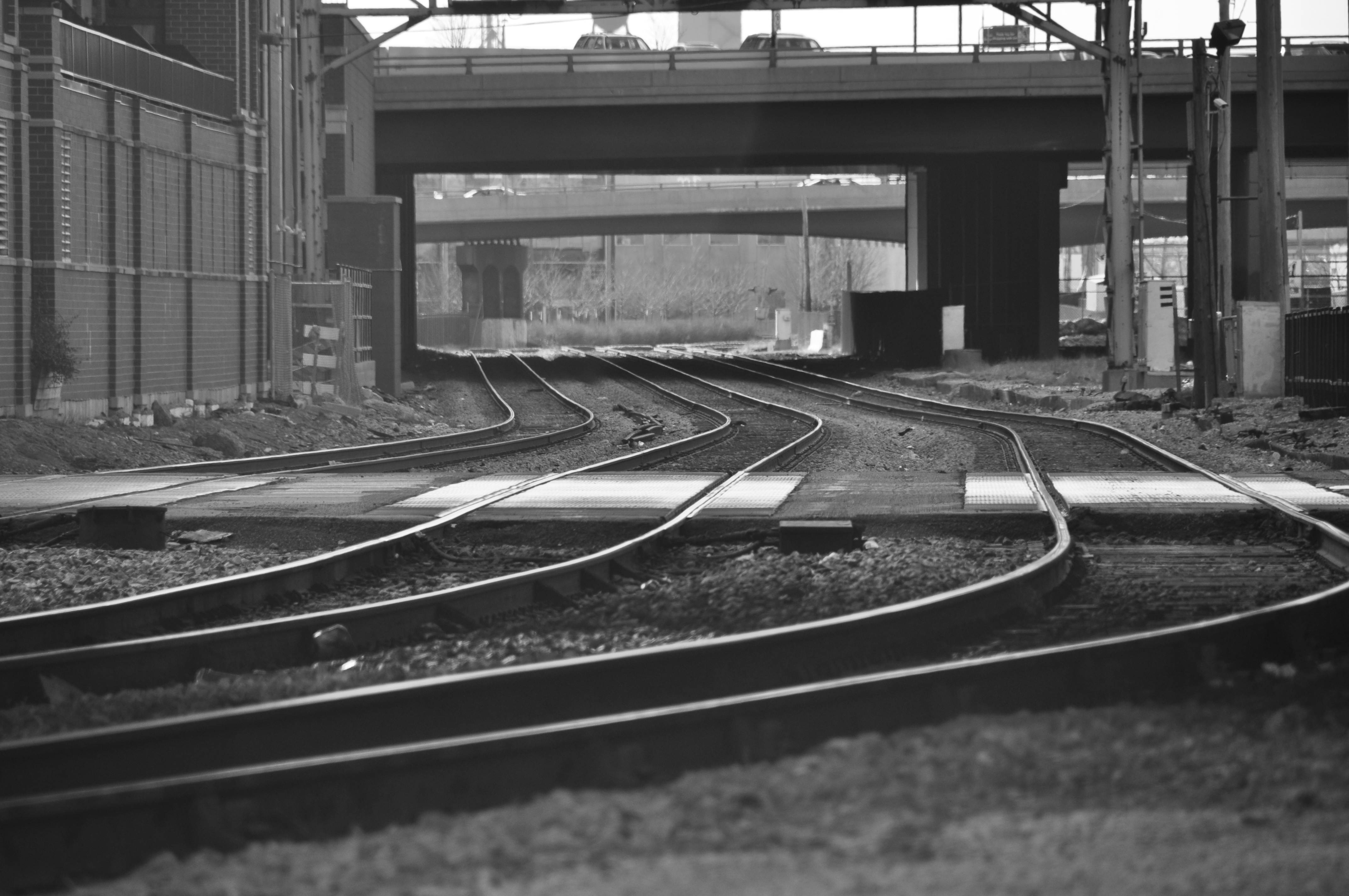

Out one day on a photo walk (as I call those days where I grab my camera and head out with no specific destination in mind but to snap a few good shots) this El stop caught my eye. This is the Clinton stop (also known as Clinton/Lake) for the green and pink lines. It opened in 1909 and was completely rebuilt in 1996 during the Green Line Rehabilitation Project. I really like the structure for this stop and just find it great to photograph.
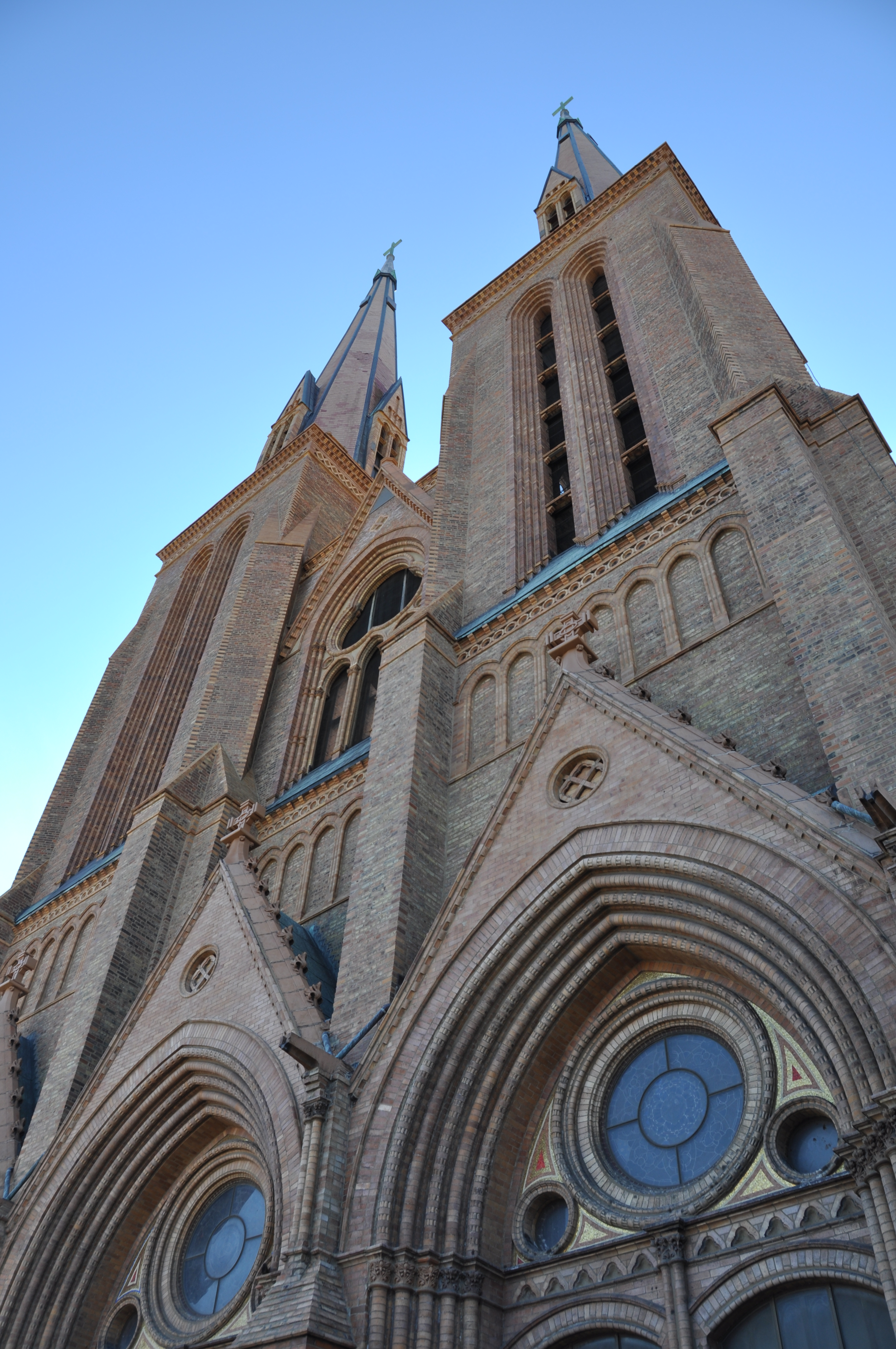
 These photos were taken of the St Paul Catholic Church in Chicago. It was built by architect Henry Schlacks and was one of the first churches he built. Founded by the German community that was established in 1876, it took over 30 years in the making for this church. The first corner stone was laid in 1897 and it took another 3 years for the exterior to be completed- this being due to the fact that it was the first church of it’s kind in the country. Since no contractor had built a church without a nail, Schlacks himself served as contractor and headed to Germany to study this building method. The church features two fourteenth-centry style towers that soar 245 feet into the sky–all at the request of the pastor. These exceptionally tall church spires portray a faith community bent on producing responsible leaders ready to serve. This church has also been featured on Ripley’s Believe It Or Not as “The church built without a nail.”
 This structure located outside of the Midway Airport Fire Department, Engine 127, is a combination of architectural artifacts that were salvaged from Chicago Fire Houses that have since been demolished. Uptop is the limestone lintel inscribed “Chicago Fire Department” that was saved from the main doorway of Engine Company #103. The columns house terra-cotta reliefs that were originally installed on the facade of Hose Company #1 of Lakeview which was constructed in 1886. In September 1889 this firehouse joined with Engine Company #55 of the Chicago Fire Department after Lakeview officially voted to join the city of Chicago.
Each panel depicts fire fighting tools hand carved in the terra-cotta. Along with those tools, hoses and ladders are interwoven throughout which is suggestive of vines growing on a trellis. This is all placed against a background of laurel leaves, which is symbolic of honor. Lastly, overlaid atop are fire helmets and axes which integrate a heraldic crest.
Today I decided to head out to Midway airport with my Nikon 18-200mm lens. Although with the wind it was a little chilly, I managed to get some good shots of planes taking off and landing.




You might remember seeing this lightning photo from my "Day 181: Lightning Strikes" post. It was chosen to be the main screen in the Gameday Central App.

To find more great Cubs items, click here.
 Showcasing Chicago One Image at a Time